Healthy Kid-Friendly Dinners: Quick Meals & Global Flavors
In the bustling world of parenting, the quest for a wholesome, delicious dinner that every family member will actually eat can often feel like a Herculean task. Between school pickups, homework battles, and simply managing the daily chaos, the last thing busy parents need is a mealtime meltdown. The good news? Crafting healthy kid friendly dinner recipes doesn't have to be a culinary marathon. With a blend of smart strategies, quick preparations, and a dash of global inspiration, you can transform dinner into a delightful experience for even the pickiest eaters.
This comprehensive guide dives into making weeknight dinners not just bearable, but genuinely enjoyable. We'll explore practical tips for nourishing growing bodies, strategies for conquering picky palates, and a treasure trove of quick meals and global flavors that are destined to become new family favorites. Say goodbye to the dinner dread and hello to plates that are licked clean!
The Battle of the Dinner Plate: Why Healthy Kid-Friendly Dinners Matter
The challenge of feeding children is universal. One night, they devour chicken; the next, it's an alien substance. This unpredictable nature, coupled with the constant demand for nutritious food, can be incredibly discouraging for parents. Yet, the importance of these meals cannot be overstated. Healthy kid-friendly dinners are the cornerstone of proper development, providing essential nutrients for energy, growth, and cognitive function.
For parents, the goal isn't just about nutrition; it's about minimizing stress and fostering positive family time. When you prepare a meal that satisfies both the children's preferences and adult palates, you've achieved a significant win. It means less food waste, fewer arguments, and more moments of connection around the table. Investing in a repertoire of quick, wholesome, and appealing recipes is an investment in your family's well-being and your own peace of mind.
Winning Strategies for Stress-Free, Nutritious Weeknight Meals
Turning dinner from a chore into a joy requires a few clever tricks up your sleeve. These strategies focus on balancing nutritional needs with the realities of busy family life and the fickle nature of young eaters.
Sneaking in the Good Stuff (Veggies & Protein)
Let's face it: getting kids to eat their vegetables can be an Olympic sport. But what if those veggies were so cleverly disguised, your kids wouldn't even notice? This is where strategic "sneaking" comes in handy. Think beyond just visible greens. Incorporate finely grated carrots or zucchini into meatballs or burgers. Puree cauliflower into cheese sauces or add spinach to pasta sauces for an extra nutrient boost. Lentils can thicken meat sauces, adding fiber and protein discreetly. For homemade pizza crusts, consider recipes that incorporate blended vegetables into the dough itself.
Variety in protein is equally important for growing bodies. Don't rely solely on chicken nuggets. Experiment with plant-based proteins like lentils, chickpeas, and black beans in tacos or grain bowls. Introduce mild fish options like cod or salmon, which are rich in omega-3s. Eggs, lean ground beef, and turkey also offer excellent nutritional profiles. Doubling up on protein sources in a single meal, such as adding beans to a ground turkey chili, can significantly enhance its nutritional value without changing the flavor profile dramatically.
Embrace Fun and Novelty (Finger Foods & New Flavors)
Kids often interact with food through touch, so leaning into that can make mealtime more engaging. Many healthy kid friendly dinner recipes lend themselves perfectly to finger foods. Think mini chicken skewers, homemade pizza slices, baked sweet potato fries, or deconstructed taco bowls where kids can assemble their own. A little mess can actually mean a lot more fun and willingness to try new things.
Don't shy away from introducing new flavors, especially those from global cuisines. While a familiar favorite like Kraft mac and cheese might be a go-to, your child might surprise you by loving a cozy pumpkin pasta or a mild lentil soup. The key is gradual exposure and making it an adventure rather than a mandate. Start with gentle spices and less complex dishes, allowing kids to explore textures and tastes at their own pace. Perhaps a deconstructed chicken satay bowl with a mild peanut sauce, or a simple chicken and veggie stir-fry with a hint of soy sauce (reduced sodium for younger kids) could be their gateway to a world of flavors. Remember, it might take multiple exposures for a child to accept a new food.
Keeping it Simple & Familiar for Picky Eaters
While novelty is great, familiarity provides comfort, especially for extremely picky eaters. The most successful healthy kid friendly dinner recipes often feature familiar flavors and minimal prep. This means less stress for parents and a higher chance of acceptance from kids. Focus on wholesome ingredients that don't require hours in the kitchen.
For parents dealing with children who scrutinize every ingredient, keeping a component of the meal familiar while introducing something new can be effective. For example, if you're making a new curry, serve it with plain rice, which is a known staple. Or, if introducing a new vegetable, serve it alongside a protein they consistently enjoy. The goal is to make dinner a win for everyone at the table, including the adults who deserve to enjoy their meal too. There's no need for kid-friendly to mean adult-unfriendly!
Exploring Quick & Easy Healthy Kid-Friendly Dinner Recipes
With smart strategies in mind, let's look at categories of delicious meals that fit the bill for busy weeknights and diverse palates.
Comfort Food Classics, Reimagined for Health
Many of our childhood favorites can be given a nutritious makeover without sacrificing flavor. Think hearty yet healthy versions of:
- Pasta & Noodles: Move beyond basic buttered noodles. Whole wheat pasta, loaded with hidden veggie sauces (think pureed butternut squash or carrots), or lean protein like turkey meatballs, transform a simple dish. A vibrant pesto with peas or a creamy pumpkin pasta can introduce new flavors in a comforting format.
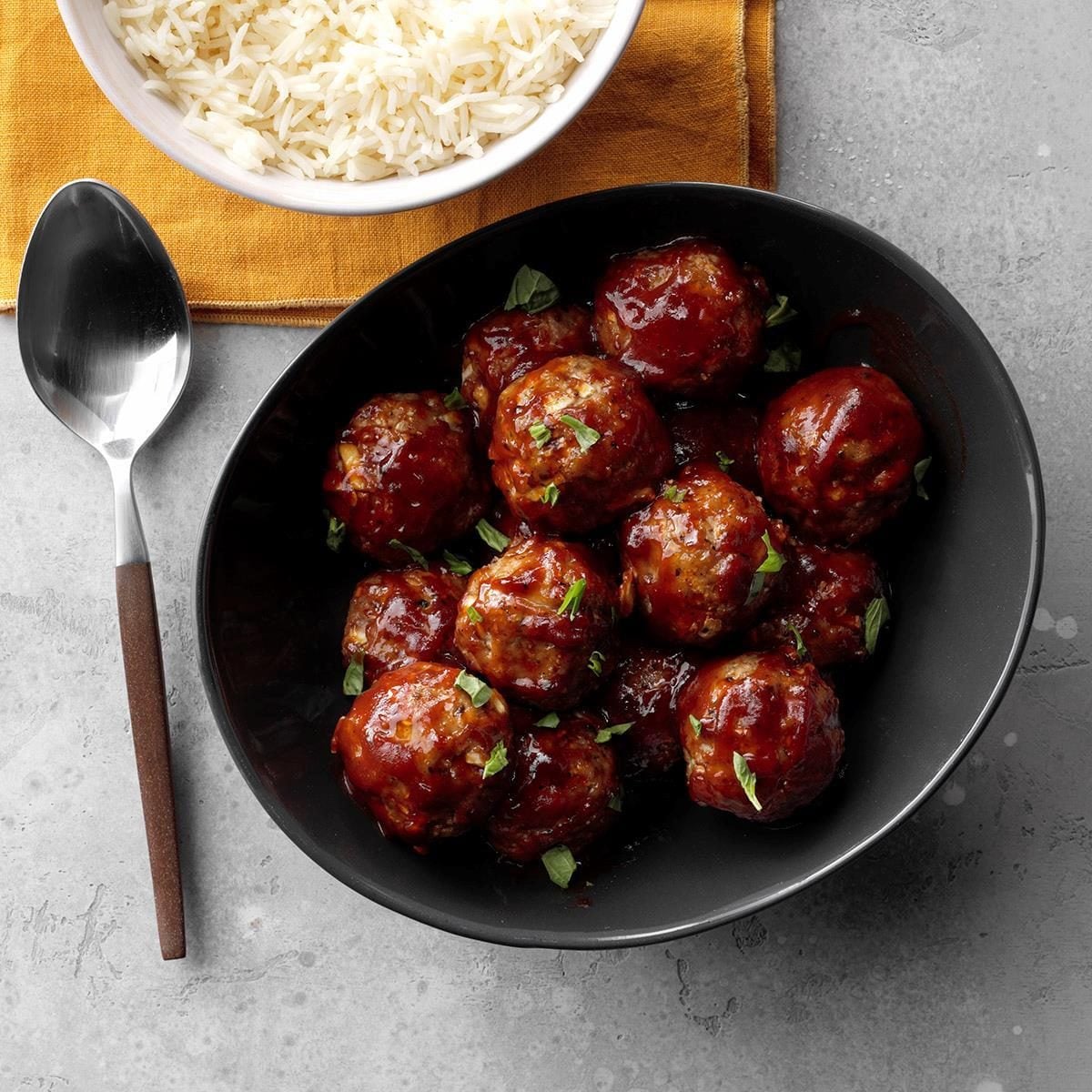
- Burgers & Meatballs: Use lean ground meats (beef, turkey, chicken) and bind them with grated zucchini or breadcrumbs mixed with finely chopped mushrooms. Serve on whole-grain buns or lettuce wraps with plenty of fresh toppings.
- Pizza: Homemade pizza allows for full control over ingredients. Opt for whole wheat or cauliflower crusts, load up on colorful vegetables, and use lean protein like chicken or crumbled turkey sausage. Let kids customize their halves for extra engagement!
- Healthy Twists on Comfort Food: Consider baked chicken tenders instead of fried, sweet potato fries, or a healthier "mac and cheese" made with whole wheat pasta and a nutrient-rich cheese sauce thickened with pureed squash.
Adventurous Global Flavors (Even for Little Palates)
Introducing global flavors can broaden your children's culinary horizons and make mealtime exciting. The trick is to start mild and make it interactive.
- Tacos & Enchiladas: These are a hit because they're customizable! Offer a "build-your-own" bar with seasoned ground beef or turkey, black beans, various veggies (shredded lettuce, corn, diced tomatoes), cheese, and mild salsa. Fish tacos can also be a delicious and healthy alternative.
- Soups, Chilis & Grain Bowls: A cozy pot of chili or a hearty lentil soup can be a fantastic way to introduce new spices gently. Grain bowls (quinoa, brown rice) with roasted vegetables and a lean protein (chicken, tofu) allow kids to choose their toppings, making it less intimidating.
- Stir-Fries: Quick to make and versatile, stir-fries are excellent for introducing Asian-inspired flavors. Use plenty of colorful vegetables, lean protein, and a simple, low-sodium sauce. Serve with brown rice or whole wheat noodles. Family dinner success often hinges on these kinds of interactive, flavorful meals.
Smart Swaps & Dietary Considerations
When planning healthy kid friendly dinner recipes, it's crucial to be mindful of dietary needs and sensitivities. Many recipes can be easily adapted to be gluten-free, vegetarian, or nut-free. Always check individual recipe notes for adjustment suggestions.
- Nut-Free Options: For families with nut allergies, focus on recipes that naturally omit nuts or substitute nut butters with seed butters (like sunflower seed butter) where appropriate.
- Gluten-Free & Vegetarian: Opt for gluten-free pasta, rice, quinoa, and ensure all sauces and ingredients are certified GF. For vegetarian meals, lean heavily on legumes, eggs, cheese, and plant-based protein alternatives.
- For Babies & Toddlers: A few simple rules apply. Never feed honey to babies under one year old due to the risk of botulism. When cooking for very young children, be mindful of sodium content. Reduce or omit soy sauce, extra salt, or high-sodium broths from their portions of the meal, seasoning theirs separately if needed. Always ensure food is cut into appropriate, choke-hazard-free sizes.
Creating healthy kid friendly dinner recipes for busy weeknights doesn't have to be a source of stress. By embracing creative cooking techniques, offering a mix of familiar and new global flavors, and prioritizing nutritional needs, you can transform mealtime into an enjoyable and nourishing experience for the entire family. Experiment, be patient, and celebrate every bite your children take. Happy cooking!
